
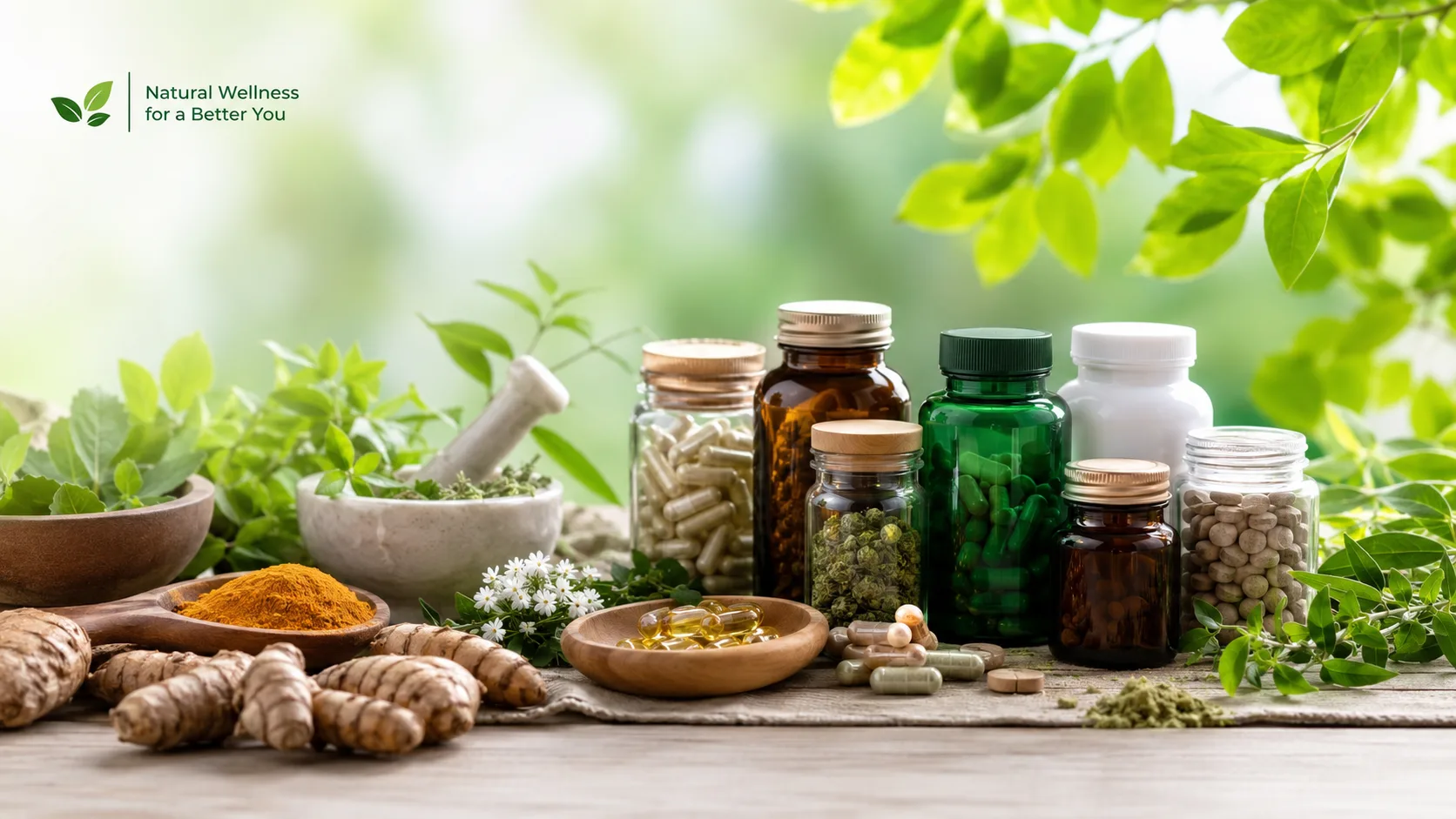
Top Herbal Supplement Brands You Can Trust for 2026: Expert Guide for Safe & Natural Wellness
Quick Answer (Featured Snippet)
The Top Herbal Supplement Brands You Can Trust for 2026 are those that adhere strictly to Good Manufacturing Practices (GMP), utilize clinically validated ingredients, undergo independent third-party laboratory testing, and comply with FSSAI or AYUSH regulations where applicable. Selecting verified, transparent brands ensures safety, potency, and long-term efficacy for holistic health and preventive care.
Introduction
The global natural and herbal supplement industry is expanding at a record pace in 2026. According to market analysts, the global herbal and natural healthcare market is steadily moving toward surpassing USD 150 billion, driven by rising consumer awareness in preventive healthcare, metabolic optimization, and clean-label natural wellness.
With thousands of formulations sold across direct-to-consumer websites, retail chains, and pharmacies, the central challenge for consumers remains: Which herbal supplement brands can you genuinely trust in 2026?
A common misconception is that any product labeled "natural" or "botanical" is inherently safe. Quality across manufacturers continues to vary significantly, with unverified products carrying risks of inconsistent potency, heavy metal contamination, or unsubstantiated health claims.
If you are an international patient visiting India for specialized medical care—or simply an individual seeking high-quality herbal products—making well-informed choices is paramount. Whether exploring Ayurvedic formulations, adaptogens for stress, metabolic support, or daily immune health, choosing reputable brands safeguards both your health and well-being.
At RaFa Medi Tours, we regularly support international patients traveling from Kenya, Tanzania, Uganda, Zambia, Congo, Mauritius, and across the globe who seek accredited medical care harmonized with India's rich Ayurvedic heritage. We firmly emphasize that herbal supplements must complement—rather than replace—clinical medical advice.
In this comprehensive 2026 guide, you will discover:
- Top trusted global and Indian herbal supplement brands
- Key quality certifications and regulatory benchmarks to verify
- In-demand herbal ingredients and their evidence-backed benefits
- Essential safety guidelines prior to purchasing
- Expert strategies for selecting reliable supplements
Why Choosing the Right Herbal Supplement Brand Matters
Selecting a validated, standard-compliant herbal supplement brand minimizes exposure to contaminants, inappropriate dosing, and misleading marketing. Responsible manufacturers adhere to high-precision processing protocols and offer complete ingredient transparency.
Unlike standard pharmaceutical medications, herbal products exhibit variable concentration levels depending on sourcing and processing. Leading companies invest continuously in scientific research, independent third-party lab testing, and internationally accepted production certifications.
World Health Organization (WHO) data indicates that nearly 80% of the world's population relies on traditional or herbal healthcare systems for primary health support. This widespread adoption underscores the necessity of choosing products from manufacturers strictly committed to safety and purity.
Trusted brands consistently offer:
- Transparent, traceable ingredient sourcing
- Third-party batch laboratory testing (Certificates of Analysis)
- Certified Good Manufacturing Practices (GMP)
- Formulations validated by clinical research
- Precise dosage and standardized extract parameters
- Comprehensive allergen disclosures and safety precautions
Absence of these quality controls exposes consumers to risks including heavy metal buildup, pesticide residues, inaccurate labeling, or zero therapeutic efficacy.
For international medical travelers, consulting a licensed physician prior to starting any new herbal regimen is critical—particularly when recovering from surgery or taking prescription therapies.
What Makes a Herbal Supplement Brand Trustworthy?
A reputable herbal supplement company demonstrates its value through verifiable certifications, transparent manufacturing processes, clinical backing, and compliant product labeling.
1. GMP Certification
Good Manufacturing Practices (GMP / WHO-GMP) guarantee that products are produced continuously under strict environmental and cleanliness standards. Certified facilities maintain rigorous quality control systems, raw material validation, and complete batch traceability.
2. FSSAI Compliance (India)
In India, legitimate dietary and health supplements comply with regulations established by the Food Safety and Standards Authority of India (FSSAI). FSSAI approval ensures compliance with dietary safety, standardized ingredients, and accurate labeling standards.
3. AYUSH Recognition
For traditional Ayurvedic formulations, recognized brands operate under guidelines issued by the Ministry of AYUSH, Government of India. AYUSH oversees classical standards across Ayurveda, Yoga, Unani, Siddha, and Homeopathy.
4. Independent Third-Party Laboratory Testing
Reputable companies subject their batches to independent, NABL-accredited laboratory evaluation. Testing screens for heavy metals (lead, mercury, arsenic), microbial contaminants, pesticides, and active extract potency.
5. Standardized & Clinically Studied Extracts
Top supplement brands favor standardized plant extracts that ensure exact percentages of active compounds in every capsule, backed by published clinical trials.
Top Herbal Supplement Brands You Can Trust for 2026
The leading herbal supplement brands in 2026 successfully blend traditional botanical knowledge with contemporary research, rigorous quality controls, and clean-label standards.
Below are globally respected manufacturers known for maintainable high quality. Availability varies by region, and listing does not constitute medical endorsement.
1. Himalaya Wellness
A pioneer in evidence-based Ayurveda, Himalaya Wellness combines centuries-old botanical knowledge with modern scientific evaluation across international markets.
Popular Formulations: Ashwagandha, Liv.52, Neem, Turmeric Curcumin, Brahmi.
Key Highlights: WHO-GMP manufacturing facilities, global presence, extensive clinical trials, decades of consumer confidence.
2. Dabur India (including Siens by Dabur)
One of the world's most established Ayurvedic healthcare institutions. In addition to heritage essentials, Dabur's modern nutraceutical innovations (such as Siens) focus on science-led, premium daily health needs.
Popular Formulations: Chyawanprash, Giloy, Ashwagandha, Organic Honey, Siens daily wellness series.
3. Organic India
Organic India stands as a leader in sustainably harvested, organic certified herbal wellness products and teas.
Popular Formulations: Organic Tulsi, Moringa, Triphala, Ashwagandha, Whole Husk Psyllium. Emphasizes fair-trade regenerative agriculture and clean ingredient integrity.
4. Banyan Botanicals
Banyan Botanicals delivers authentic Ayurvedic herbs crafted under modern organic, Non-GMO standards and rigorous third-party quality screening.
5. NOW Foods
NOW Foods remains an internationally benchmarked supplement brand recognized for accessible pricing, stringent testing protocols, and complete label accuracy.
6. Gaia Herbs
Gaia Herbs is celebrated for farm-to-bottle traceability, allowing users to trace organic ingredient sourcing and lab results per batch.
7. Nature's Way
With over half a century of manufacturing expertise, Nature's Way maintains global trust through non-GMO verifications and plant authenticity testing.
8. Inbiota Herbs & Kapiva
Dynamic names in clean-label herbal products and functional Ayurvedic foods, delivering pure sourcing, GMP-aligned production, and modern formats like cold-pressed juices and standardized capsules.
Why RaFa Medi Tours Recommends Professional Guidance
At RaFa Medi Tours, we prioritize patient safety and informed health decisions. Our international care desk connects visiting patients with leading specialists via our hospital coordination and priority access services, alongside licensed Ayurvedic professionals in India.
Herbal formulations should serve as supportive wellness tools and must never replace medical treatments. Consult qualified physicians before initiating herbal supplementation, particularly when managing chronic conditions or receiving post-treatment recovery support.
Common Herbal Ingredients and Their Benefits
Modern herbal supplementation effectively bridges classic botanical remedies with clinical validation. Standardized herbal extracts offer predictable benefits when taken appropriately under professional supervision.
Ashwagandha (Withania somnifera)
A flagship adaptogen widely researched for stress response modulation, cortisol balance, and mental endurance.
- Promotes stress reduction and balanced cortisol levels
- Supports sleep quality, mental focus, and muscle strength
Turmeric (Curcumin)
Curcumin is valued for its potent antioxidant and anti-inflammatory properties, benefiting joint health and recovery. Quality formulations include bio-enhancers like black pepper extract (Piperine) to maximize absorption.
Moringa Oleifera
Recognized as a dense superfood, Moringa provides high concentrations of Vitamin A, C, bio-available minerals, essential amino acids, and cellular antioxidants.
Triphala
A classic Ayurvedic combination of three fruits (Amla, Haritaki, and Bibhitaki) widely utilized to foster digestion, colon cleansing, and gut microbiome health.
Brahmi (Bacopa monnieri)
An esteemed nootropic herb traditionally used to support memory retention, cognitive sharpness, and stress reduction during high mental demands.
Giloy (Tinospora cordifolia) & Amla
Prominent immunity-supporting herbs rich in natural Vitamin C and bioflavonoids that promote cellular protection and overall vitality. Note: Individuals with active autoimmune conditions should consult their physician prior to taking immune-modulating herbs.
Key Facts About Herbal Supplements in 2026
- Global Adoption: WHO reports that approximately 80% of the world's population utilizes herbal health solutions for primary health support.
- Manufacturing Quality: GMP and WHO-GMP certifications are critical indicators of safety, purity, and operational consistency.
- Contaminant Screening: Third-party laboratory testing screens formulations for heavy metals, pesticides, and bio-contaminants.
- Complementary Role: Herbal supplements support bodily function but do not replace prescribed therapies.
- Medication Interactions: Patients taking anticoagulants, anti-diabetic agents, or cardiovascular drugs should always consult their doctor due to potential herb-drug interactions.
- Regulatory Assurance: Verification through FSSAI and Ministry of AYUSH offers elevated safety guarantees for products sourced in India.
Expert Insight
"Herbal supplements play an integral role in preventive healthcare and health optimization when utilized responsibly. Consumers should select products from reputable manufacturers that enforce strict GMP compliance, provide full labeling transparency, and advocate for medical supervision."
— Dr. Tedros Adhanom Ghebreyesus (WHO advocacy supporting the safe integration of traditional medicine with evidence-based modern health standards).
Comparison Table: Popular Herbal Supplement Brands (2026)
| Brand | Country | GMP Certified | Third-Party Testing | Ayurvedic Focus | Best For |
|---|---|---|---|---|---|
| Himalaya Wellness | India | Yes | Yes | Yes | Overall Wellness & Clinical Research |
| Dabur / Siens | India | Yes | Yes | Yes | Traditional & Modern Nutraceuticals |
| Organic India | India | Yes | Yes | Yes | Organic Certified Herbal Teas & Herbs |
| Banyan Botanicals | USA | Yes | Yes | Yes | Authentic Organic Ayurveda |
| NOW Foods | USA | Yes | Yes | Partial | Pure Single-Ingredient & Herbal Extracts |
| Nature's Way | USA | Yes | Yes | No | Non-GMO Botanical Supplements |
| Gaia Herbs | USA | Yes | Yes | Partial | Traceable Herbal Extracts & Liquid Phyto-Caps |
How to Choose the Best Herbal Supplement
Selecting the safest herbal supplement requires evaluating your personal health profile, checking manufacturing standards, and consulting qualified clinical professionals.
✔ Verify Quality Certifications
Look for GMP, WHO-GMP, ISO, FSSAI compliance (in India), or AYUSH recognition on product labels.
✔ Insist on Full Label Transparency
Ensure labels clearly display botanical Latin names, standardized active extract percentages, batch numbers, manufacturing dates, and precise expiration timelines.
✔ Check for Third-Party Testing
Choose companies that publish Certificates of Analysis (COA) confirming safety against heavy metals, heavy microbes, and pesticides.
✔ Seek Professional Medical Guidance
If you have preexisting health conditions such as diabetes, cardiovascular disease, renal conditions, or are undergoing specialized procedures (such as cardiology care or orthopedic treatments), consult your attending physician prior to taking any supplements.
Why International Patients Trust India for Herbal Wellness
India remains the global capital of authentic Ayurveda, offering centuries of holistic wisdom supported by modern medical frameworks. Regulated by the Ministry of AYUSH and FSSAI, Indian manufacturers maintain rigorous production protocols for global export.
Through tailored care offerings such as alternative & holistic therapies, RaFa Medi Tours assists international patients in accessing NABH and JCI-accredited medical facilities, expert physicians, and certified Ayurvedic practitioners across India. Whether traveling for surgical care, rehabilitation, or wellness programs, our team provides seamless navigation for safe, evidence-aligned care.
Frequently Asked Questions (FAQs)
1. What are the top trusted herbal supplement brands in 2026?
Leading trusted brands in 2026 include Himalaya Wellness, Organic India, Dabur (Siens), NOW Foods, Nature's Way, Gaia Herbs, and Banyan Botanicals. Choose brands featuring GMP compliance, third-party lab testing, and transparent labeling.
2. Are herbal supplements safe to take daily?
Herbal supplements are generally safe when sourced from certified manufacturers and taken according to recommended dosages. However, individuals with existing medical conditions or those on prescription drugs should consult a healthcare provider first.
3. How can I confirm if a supplement brand is authentic?
Check for official GMP certifications, FSSAI license numbers (in India), batch identification, third-party lab reports (COA), and clear contact information for the manufacturer.
4. Can herbal supplements replace my medical prescriptions?
No. Herbal products are formulated to support overall wellness and body function. They should never replace prescribed medications unless explicitly advised by a qualified medical doctor.
5. Which Ayurvedic herbs are most popular in 2026?
Ashwagandha, Turmeric Curcumin, Brahmi, Moringa, Triphala, Giloy, Tulsi, and Amla remain among the most popular and clinically studied Ayurvedic herbs.
6. Can international patients buy authentic Ayurvedic products in India?
Yes. Patients traveling on a medical visa can easily purchase genuine Ayurvedic products from accredited hospital pharmacies, licensed dispensaries, and certified brand outlets across India.
Conclusion
Selecting from the Top Herbal Supplement Brands You Can Trust for 2026 centers on prioritizing safety, ingredient purity, scientific backing, and manufacturing transparency. Favor brands with established GMP certification, FSSAI/AYUSH compliance, and independent laboratory verifications.
Remember these essential takeaways:
- Purchase exclusively from certified, transparent manufacturers.
- Consult a licensed physician before beginning any herbal regimen.
- Utilize herbal supplements to support—never replace—clinical healthcare.
If you are planning medical care or wellness programs in India, RaFa Medi Tours provides full-service concierge support—ranging from visa letter processing support and accommodation arrangements to expert physician consultations.
👉 Learn more about our comprehensive services: Explore RaFa Medi Tours Services or Contact Us Today.
